
Nine of the nineteen questions on Morgan's own FAQ page come from people who already own the amp: is it ready, which tubes, do I rebias, how often do I retube, how do I know a tube has gone bad. Those are not marketing questions. They are the shape of an app.
Four screens, built around what a Morgan owner actually opens. We have shipped this before: the app for Darryl Jones's bass owners is on TestFlight now under the name JMI Backstage.
Register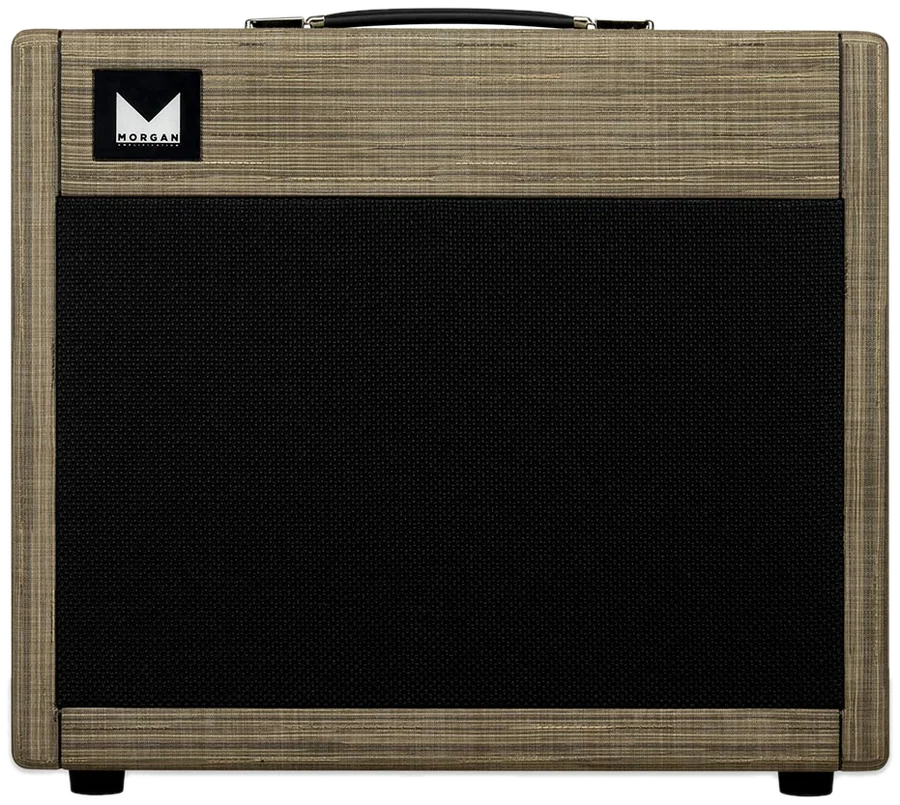
Morgan already offers a limited lifetime warranty. Right now the only way to claim it is to find the receipt. Point the camera at the plate inside the cabinet, and the serial resolves to the model, the finish, the build date and the warranty status.
That single act is what makes everything after it possible. The company learns who owns which amp, which it currently has no way of knowing once a dealer sells one. The owner gets a record that survives a house move and follows the amp to the next player when it sells.
It also answers the FAQ Joe answers most: is my amp ready. A build in progress shows its position on the bench instead of prompting an email.
Every amp is wired by hand, one at a time, by a small shop in Commerce. That process is the most interesting thing the company owns and almost none of it is visible. The feed publishes it: what came off the bench this week, which custom shop finish just went on, which tube got swapped and why.
It runs on three sources that already exist: photos from the bench, the artist roster, and the video channel. Nothing here asks Joe to become a content company. It asks for the pictures he is already taking.
Filters keep it honest. An owner who only wants their own build gets exactly that, and the roster tab is where the aspiration lives.
The bench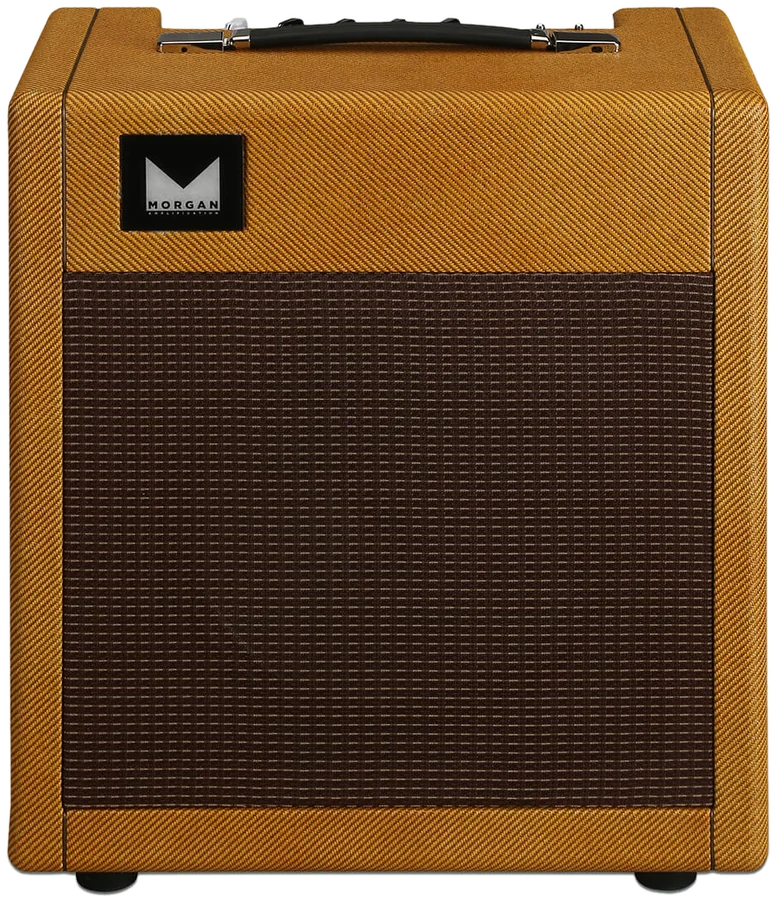
Josh asked for a small wattage amp he could take to the Grammys. This is number nine of the run.
2 days ago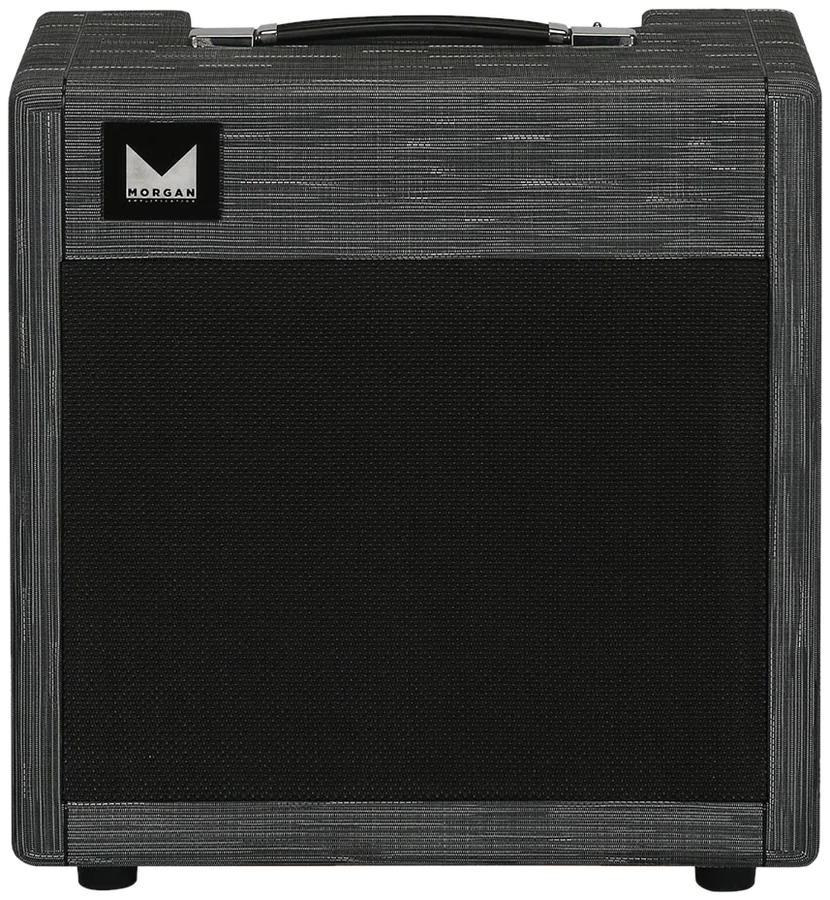
Same circuit, different tolex. Colours are not an upcharge.
5 days agoRigsThe artist page on morganamps.com holds 52 players and the exact Morgan each one runs. It is the most valuable data the company has published and it is buried in a modal that opens on click.
In the app it becomes the reason a player who does not yet own a Morgan keeps the app installed. Search by player, by model, or by the amp you already own to see everyone else running it. Tap a rig and land on the product page for that model.
No stock photography is required. The roster is a list of names and a list of amps, which is exactly how a working player reads it anyway.
This is the one an owner opens weekly, and it is the one that only Morgan can build. A hand-wired amp with power scaling has a settings problem: the same knob positions behave differently at bedroom volume and at stage volume, and nobody writes theirs down.
Store a setting as a photograph of the panel plus the knob positions. Load someone else's onto your own amp, in your own room, at your own volume, and adjust from there. Save your own and keep it for the next session.
The settings come from somewhere real. A Morgan lives in the backline of the main tracking room at The Recording Club, where LA session players reach for it on paid work rather than on a trade show floor. Every session that runs through it produces a setting, an attribution and a photograph, at no cost to the shop in Commerce.
DialThe owners app is not a concept we are learning on. The same four ideas are running for a different instrument brand right now.
We shipped this app for Darryl Jones's bass owners. It is on TestFlight now as JMI Backstage: register your instrument, follow the build, see what the roster runs.
Sessions produce settings, photographs and attributions as a by-product of work that is already booked and already paid for. The shop in Commerce publishes rather than produces.
Registration by serial gives a dealer-sold brand a direct relationship with the owner, and gives the owner a warranty record that outlives the receipt.